Description
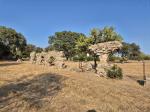
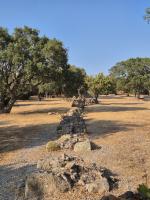
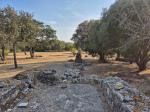
The Roman aqueduct of Olbia, built in the 2nd–3rd century AD, stretched for over 3.5 km from the springs at Cabu Abbas into the city. It is one of the most complete examples of Roman water infrastructure in Sardinia, consisting of underground channels, bridges, settling tanks, and cisterns.
The system transported fresh spring water to supply public baths, fountains, rural estates, and private households, demonstrating advanced planning for a reliable urban water network. Together with the nearby cisterna romana, it ensured storage and buffering capacity against seasonal variability.
From a climate adaptation perspective, the aqueduct provides key lessons:
- Diversification of sources: by tapping spring water and integrating storage tanks, Romans created redundancy in supply.
- Gravity-driven transport: sustainable design using only natural slope, no energy input, aligning with low-carbon water solutions.
- Modular resilience: the aqueduct included multiple distribution points and cisterns, making the system less vulnerable to local disruptions.
- Adaptation to terrain & climate: its combination of buried and elevated sections reduced evaporation losses in the Mediterranean climate.
Today, parts of the aqueduct remain visible in the Sa Rughittula area, reminding us that resilient cities have always relied on secure, sustainable water management.
Help us provide more detailed information about this project by
contributing!